

- Resource-friendly: Wooden and bamboo cutlery are made from renewable raw materials without petroleum.
- Noticeably sustainable: Sustainable disposable products made of wood or bamboo make the sustainability claim of your catering business visible. Your guests will appreciate that.
- Without harmful substances: Disposable cutlery made of wood and bamboo contains no harmful chemicals or toxins that may well be found in plastic cutlery.
- Less CO2 emissions: Sustainable disposable items made of wood or bamboo usually require significantly less energy to produce than plastic cutlery. This also reduces the amount of carbon dioxide released in the course of production. In this respect, sustainable disposable cutlery also protects the climate and helps to preserve the planet.
- Less plastic waste: Conventional disposable plastic cutlery poses a global environmental risk. After all, it takes centuries for the fossil material to degrade. In addition, large amounts of plastic waste end up in the environment every year, where they pollute oceans and landscapes. Sustainable disposable cutlery made of wood or bamboo, on the other hand, is biodegradable and can be recycled - an important contribution to reducing plastic waste globally.
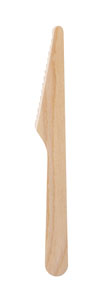
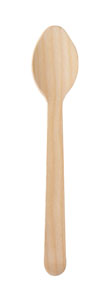
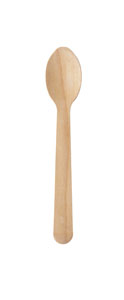
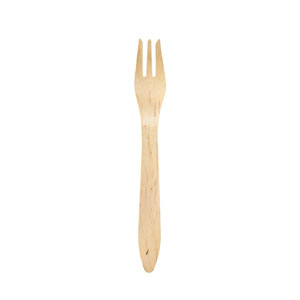
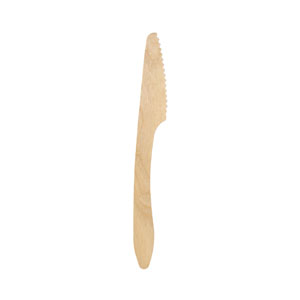
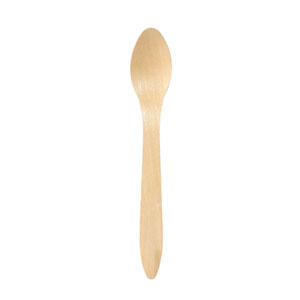

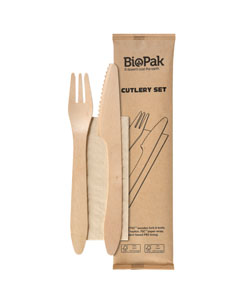
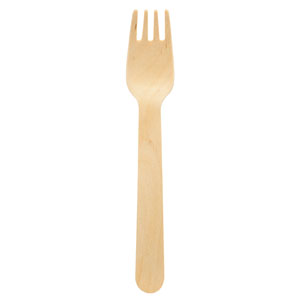
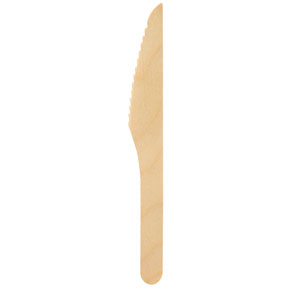
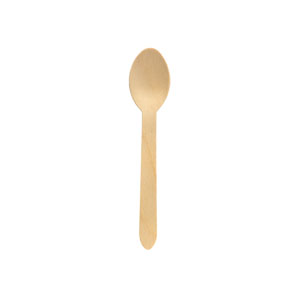
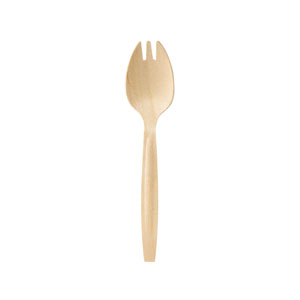
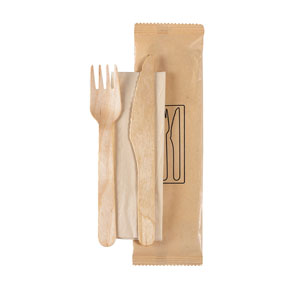
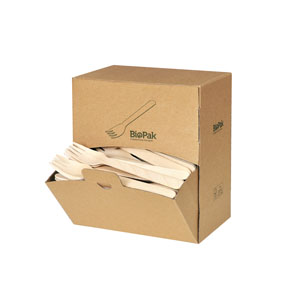
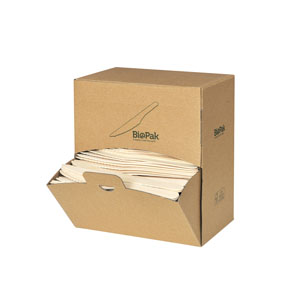
For which catering providers is sustainable disposable cutlery suitable?
Sustainable disposable cutlery is an excellent choice for caterers who are environmentally conscious and want to offer their guests an eco-friendly alternative to conventional plastic cutlery. The ecological impact of sustainable knives, forks and spoons is particularly evident where a lot of disposable cutlery is used in a short time - for example, at outdoor events such as festivals, markets, concerts or sporting events.
But even in regular operations, snack bars, catering companies and other takeaway and delivery providers can benefit from green cutlery: It is practical, hygienic and environmentally friendly at the same time.
Why does disposable plastic cutlery endanger the environment?
Disposable plastic cutlery poses a major problem for the environment. This is mainly because knives, forks and spoons do not biodegrade and take hundreds of years to decompose. Another problem lies in the manufacturing process: this requires fossil raw materials, especially crude oil, the extraction of which in turn releases large quantities of harmful greenhouse gases and accelerates climate change.
Single-use plastic products also threaten wildlife. Large quantities of plastic waste are exported from Europe to other countries, where environmental protection standards are often lower than in this country. If disposed of improperly, the plastic accumulates in the oceans, where it is often eaten by marine animals - with sometimes life-threatening consequences for the animals. By opting for environmentally friendly disposable cutlery, restaurateurs can make a valuable contribution to protecting people, animals and the climate.
Which is better: disposable cutlery made of plastic or wood?
Compared to disposable plastic cutlery, wooden cutlery is a much more environmentally friendly option. This is because plastic cutlery is not biodegradable and takes several centuries to decompose. In the same amount of time, wood already decomposes naturally. Moreover, wooden cutlery is made from renewable resources, while plastic knives, forks and spoons are petroleum-based. In addition, the production of wooden cutlery requires less energy, which again has a positive effect on its environmental balance.
Also not to be underestimated: Cutlery made of wood has a natural look while being completely neutral in taste and odor. Your customers will notice the sustainability bonus without having to compromise on the enjoyment of their food.


